Independent practice
2024 – present
After a decade leading design at Green Dot and Bluecrew, I shifted my focus & spent the last two years working independently — partnering directly with founders, executives, and small teams across fintech, AI-native products and enterprise services. This story is the connective tissue behind the project work elsewhere on this site: what this chapter has actually been about, and what it's sharpened in me as a design leader.
Venbrook Insurance
What are we solving for?
Every engagement in this chapter has circled the same core problem: how do you design clear, trustworthy systems inside ambiguity, when the product, the market, or the technology itself is still being defined? Whether that meant an AI-powered fintech marketplace, a 0-to-1 social product, or a legacy brand rebuilding its digital presence, the work consistently required translating emerging capability into interactions people can actually understand and trust.
What I've learned
I'm not trying to win the hype cycle — I'm trying to see through it before my clients have to. The AI boom happening right now (July 2026) feels a lot like the dot-com boom of the early 2000s. Every client I work with is actively experimenting to find where this stuff creates durable value, and I'm enjoying watching the hype settle into real practice. We're already hearing about token maxxing on one side and CFOs sounding the alarm on their AI spend on the other. Whatever this settles into, I don't expect to be doing this job the same way a year from now.
Tools have turned over multiple times since I started this chapter in 2024, and the churn is only accelerating — SpaceX just bought Cursor for $60 billion, Claude Code keeps gaining ground, and the live question in my world is whether Figma absorbs AI fast enough to stay central, or whether general-purpose tools close the gap on dedicated design software.
Adaptability has always been a core skill in this field — I've been re-learning tools for twenty years and this cycle is no exception. What's new is the leverage: working directly with AI agents means I iterate faster, spend more of my own time on the judgment calls that actually need a human, and ship better craft without trading away speed to get there.
I get more outspoken with clients than I do almost anywhere else, and I like it. That instinct traces back to design school, where critique was blunt and fast and you learned quickly not to get precious about your own ideas. I say what I actually think, early, and let people react to that instead of a softened version of it. It moves faster — conversations don't stall out while someone tries to read between the lines. Clients hire me for a point of view, not just execution.
Getting off the computer is still what unlocks the thinking that matters. I've been back in the shop — woodworking, sculptural objects — with some good music as grease.

African Mahogany cairn, my own work, 2025
The engagements
Venbrook Insurance
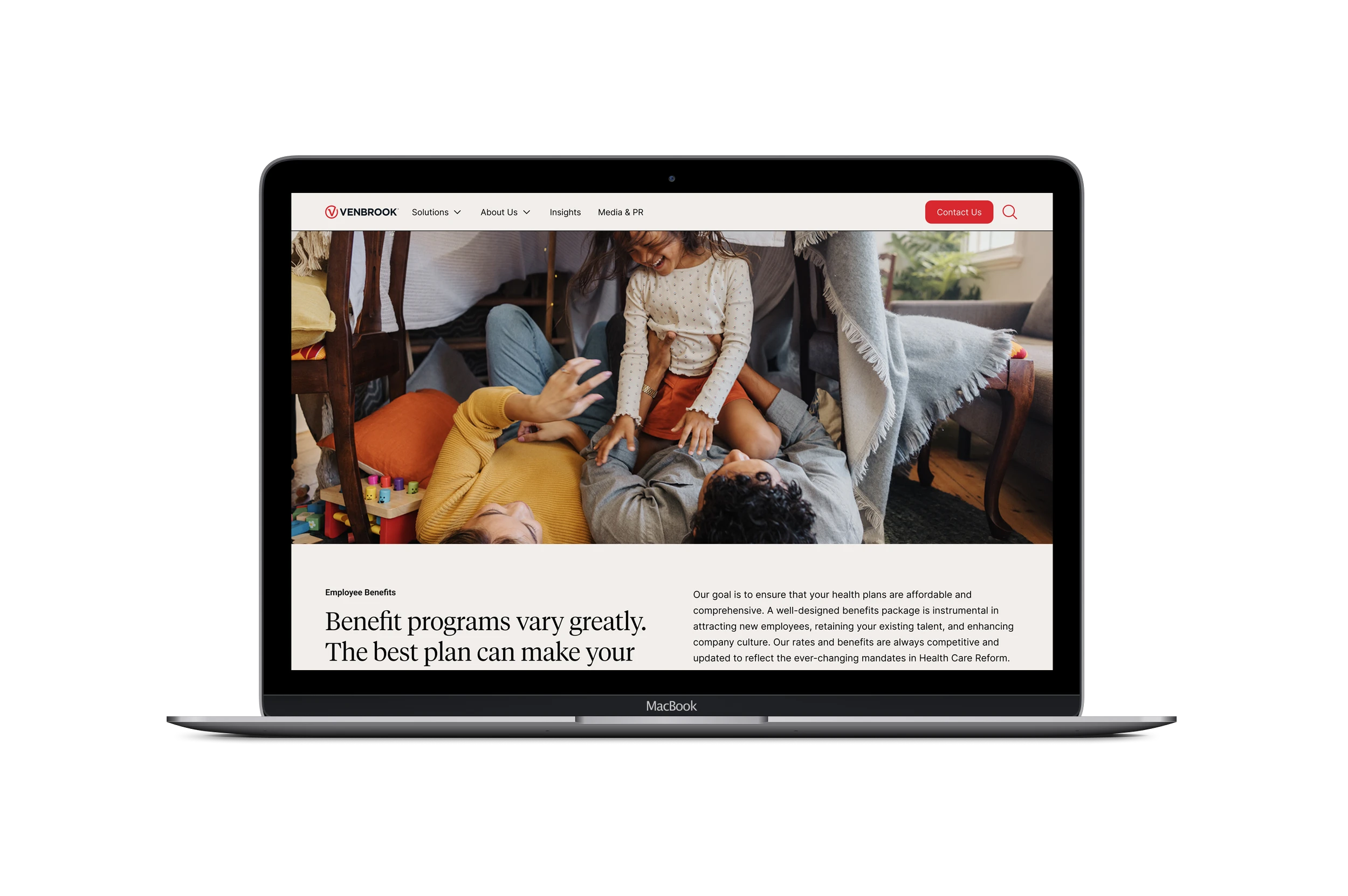
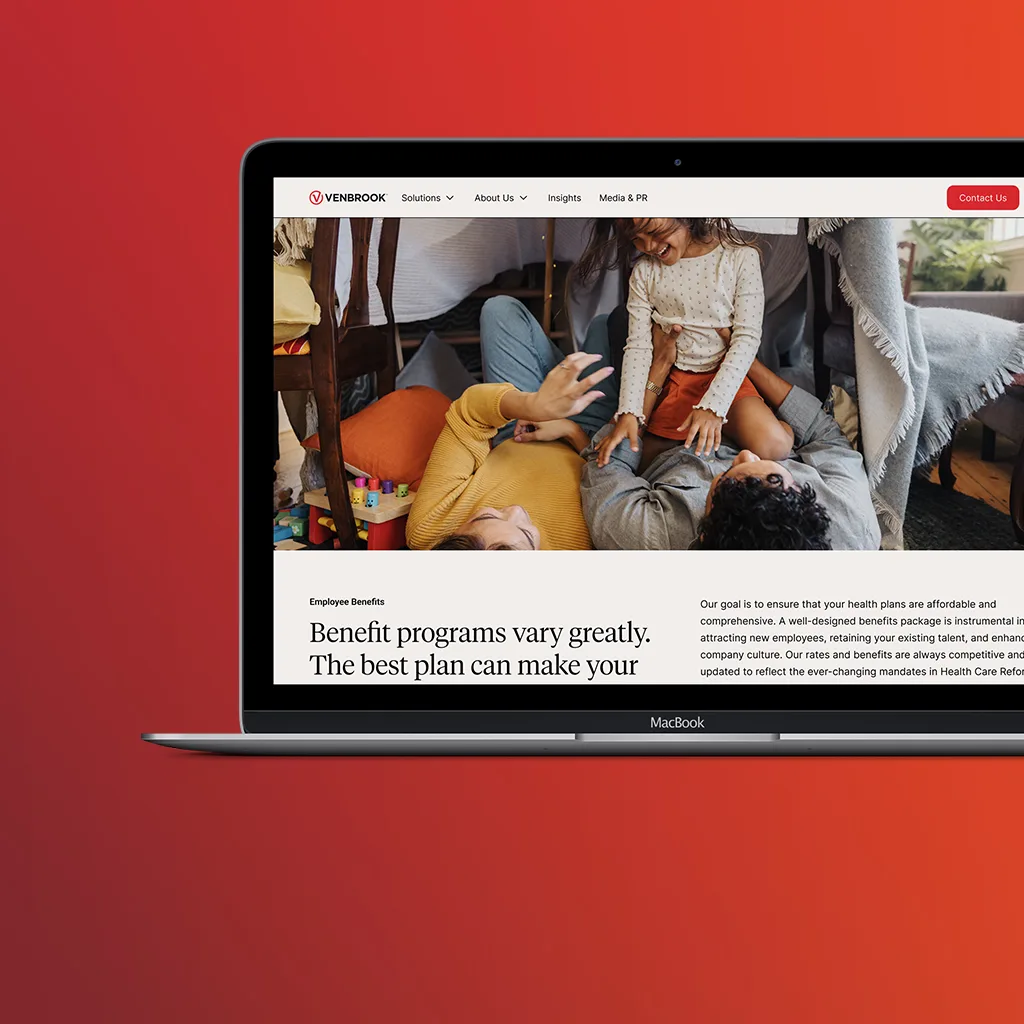
Built with an off-the-shelf design system from Relume with a bunch of customizations. This project involved melding a dozen divisions & sub-brands into a cohesive experience.
Tools & skills: Figma, Photoshop, Illustrator, Design system management
View case study →
FirstHome
My first fully AI project. From design to imagery to code, this one is completely from the robot team. My 3rd AI-driven project and my 3rd complete new tool set. If there's anything that remains the same these days, it's the breakneck pace of change. My work included pre & post-login, consulting & coding. Definitely a work in progress.
Tools & skills: Claude, Claude Code, Claude Console

Advoco / Fintech Rails
Identity design, social & UX for this fintech & legal consultancy offering a tool built with AI that helps fintech start-ups find the perfect tech stack for their banking product.
Tools & skills: ChatGPT, Figma, Photoshop, Illustrator
Neara
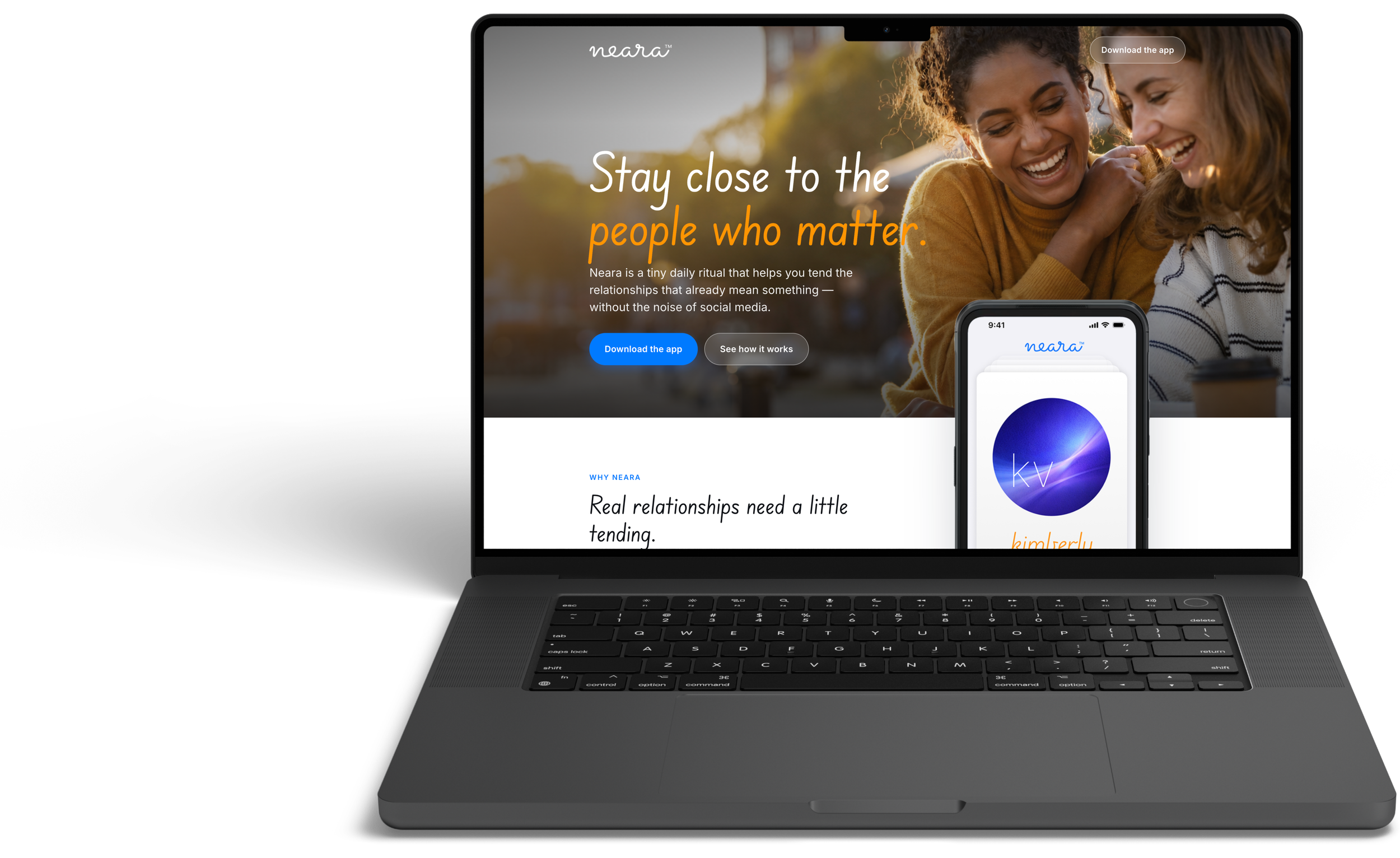
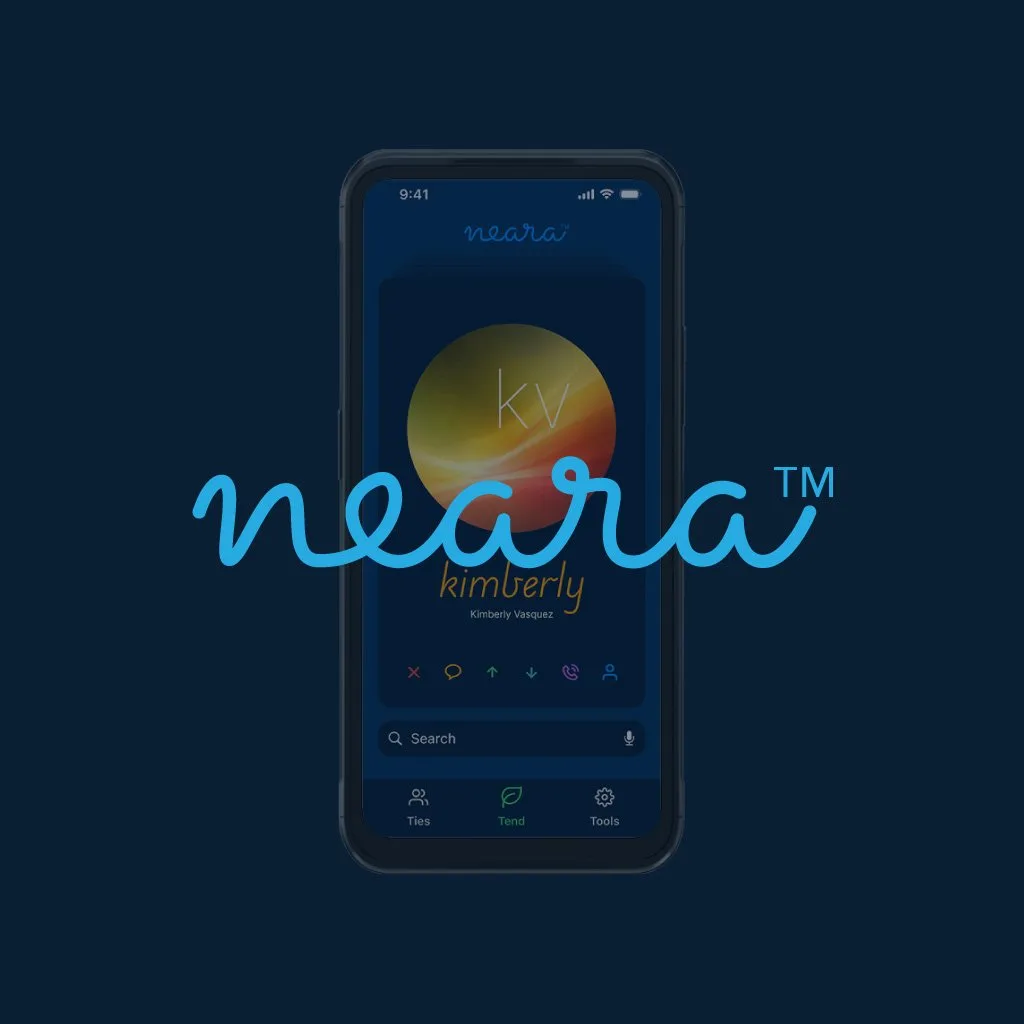
You know all those people in your contact list? Neither do we. Neara was conceived to help you rekindle relationships with the people who really matter. The project ranged from identity design, naming & market positioning to UX & AI coding.
Tools & skills: Figma, Photoshop, ChatGPT, Cursor, GitHub, Linear
View case study →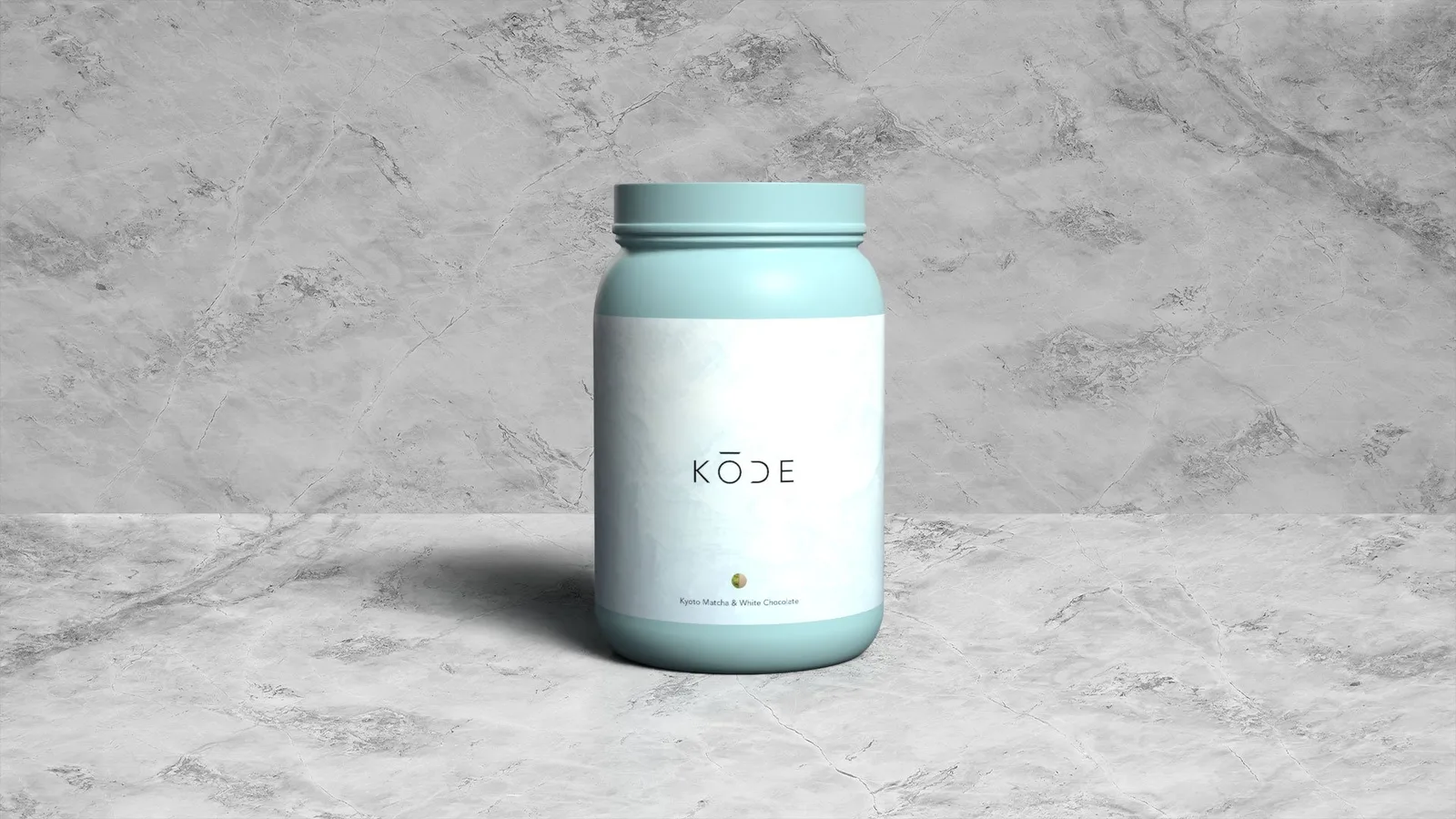
Kōde Collective
A high-end protein powder brand, the anchor of a broader brand including fashion, food & fitness. The project involved AI-assisted brand & name development, product packaging, social media video advertising, press kit, Shopify site, the works.
Tools & skills: ChatGPT, Figma, Photoshop, Illustrator, Shopify

Branding, technical consulting, web design, merchandise, Google Ads
Complete digital overhaul for a general contractor specializing in public works. It was everything from branding/identity, configuring Google Business, Microsoft Office, t-shirts, stickers, web site, advertising, SEO, I even redesigned some of his business forms.
Tools & skills: ChatGPT, Photoshop, Illustrator, Figma, Google Ads, Squarespace
Where it's at . . .
The hardest part of the job used to be building the thing. Now it's what happens once it exists. When a working system takes weeks instead of quarters, the sprint-level questions (what ships next, what gets prioritized) answer themselves faster than they used to. What's left are the bigger ones: who needs to see this, how does it get in front of them, and how does the idea itself get protected long enough to grow on its own, or to be worth selling.
That's where Neara is currently. We'd built the system we set out to build — the technical bets were made and had mostly paid off. What was left wasn't a backlog item. It was how to expose the thing and gain real adoption, and how to think about the IP: protect it to future-proof the product, or position it for a sale.
That's the pattern now, not the exception. Up close it's still thousands of small moving parts — same as it's always been. What's changed is the job: building something solid and settled, stable enough to trust, to sell, to hand off, while staying fluid enough underneath to keep adapting. Less time deciding what belongs in a sprint, more time deciding what holds its shape once it's out in the world — even while it's still moving. It's guiding that motion where human judgement comes in and experience matters.